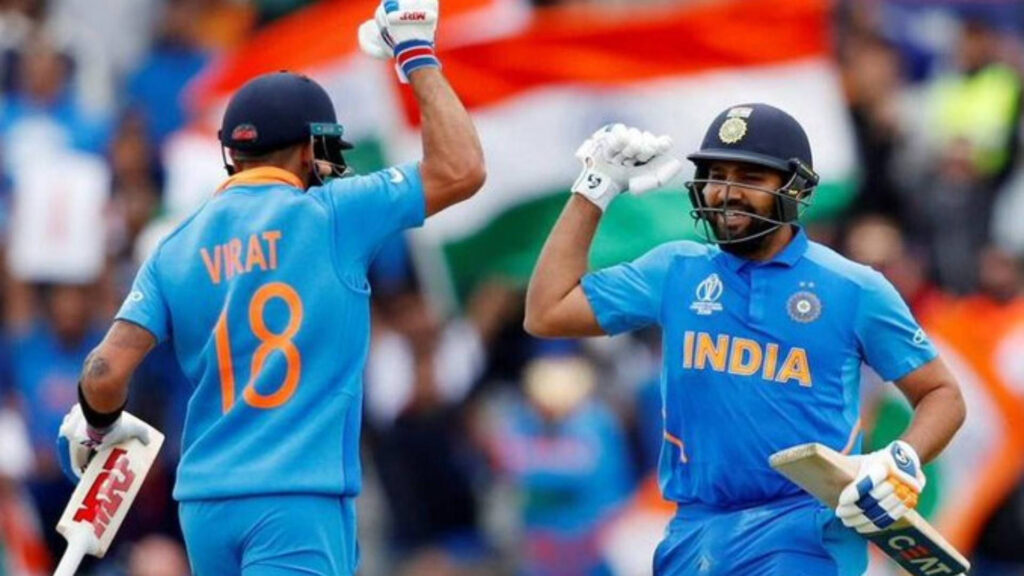
India’s youth brigade take centre stage in Australia
When India embarked on their 2025–26 tour of Australia, much of the pre‑series chatter revolved around the ageing superstars Rohit Sharma and Virat Kohli. Yet by the end of the second Test, it was clear that a new generation had seized the narrative. Shubman Gill, appointed stand‑in Test captain due to a niggle for Rohit, embodied the youthful confidence permeating the squad. He approached his role not merely as a placeholder but as an opportunity to imprint his calm yet aggressive style on the team. Gill’s leadership style, emphasising clear communication and trust in his bowlers’ judgment, earned praise from both senior players and commentators. His partnership with vice‑captain KL Rahul provided stability at the top of the order and guided India to respectable first‑innings totals on challenging Perth and Adelaide pitches.
The standout performer, however, was Yashasvi Jaiswal. The left‑hander had shown flashes of brilliance at home but faced questions about his technique on bouncier surfaces. In the first Test in Perth, he answered critics with a gutsy 85, weathering a barrage of short balls from Pat Cummins and Sean Abbott. He followed up with a maiden overseas century in Adelaide, mixing patience with crisp strokeplay. His ability to pick the length early allowed him to pull and cut with authority. Jaiswal’s emergence eased the pressure on the middle order, freeing Gill and Rahul to play their natural games.
On the bowling front, India fielded a potent mix of youth and experience. Mohammed Siraj led the attack with his trademark aggression and control, consistently hitting the seam and moving the ball both ways. Left‑arm seamer Arshdeep Singh made his Test debut and quickly adapted, using his height to extract bounce and his natural variation to unsettle Australia’s top order. Spin responsibilities were shared between Ravindra Jadeja and the exciting off‑spinner Washington Sundar, who returned to red‑ball cricket after a long injury layoff. Sundar’s ability to bowl long, tight spells gave skipper Gill flexibility with field placements. Jadeja, meanwhile, contributed key runs down the order, reminding critics of his all‑round value.
India’s approach to the tour signalled a shift in philosophy. While respecting the contributions of veterans, the selectors prioritised form and fitness over reputational seniority. Players like Ruturaj Gaikwad and Sarfaraz Khan were given extended runs in the warm‑up games, with Gaikwad’s double century for India A putting pressure on Rahul’s spot. In the dressing room, new analytics tools guided strategy. The team employed data scientists to analyse Australian players’ weaknesses, particularly focusing on dismissals to incoming deliveries. Fielding drills intensified, reflecting coach Jonty Rhodes’ influence; even the senior players participated in sliding and catching exercises that pushed them beyond comfort zones.
Off the field, the tour captured imaginations back home. Television ratings broke records despite time zone differences, underscoring cricket’s enduring grip on the Indian public. Social media buzzed with memes of Gill’s composed captaincy and clips of Jaiswal’s audacious strokes. Commentary panels debated whether India’s golden generation had finally found worthy successors. Perhaps the most encouraging sign was the unity between the old and new guard. Rohit and Kohli openly mentored the youngsters, sharing insights about batting in Australia and the mental challenges of touring. The synergy created by this collaboration pointed towards a smooth transition. As the series progressed, the question was no longer whether India could compete in Australia but how soon this new core would take over leadership permanently. The answers provided glimpses of a bright future for Indian cricket, built on a foundation of skill, data‑driven preparation and fearless youth.